Our Farm
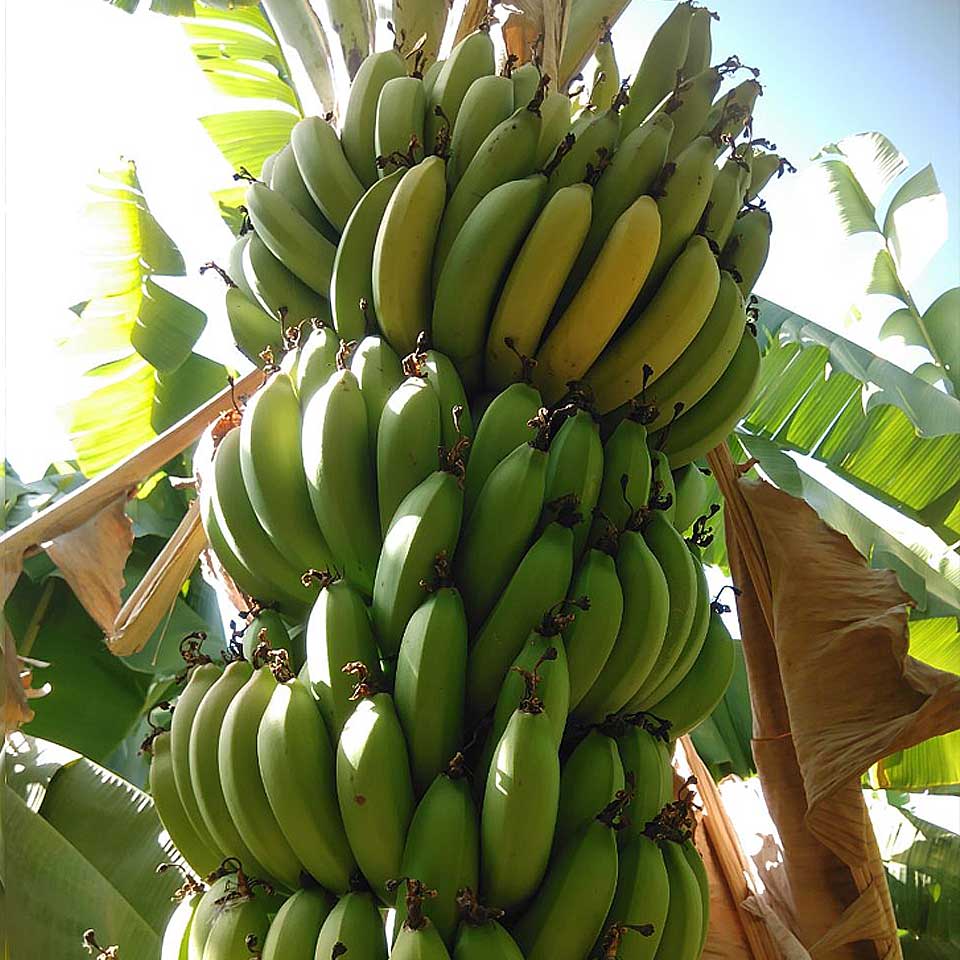
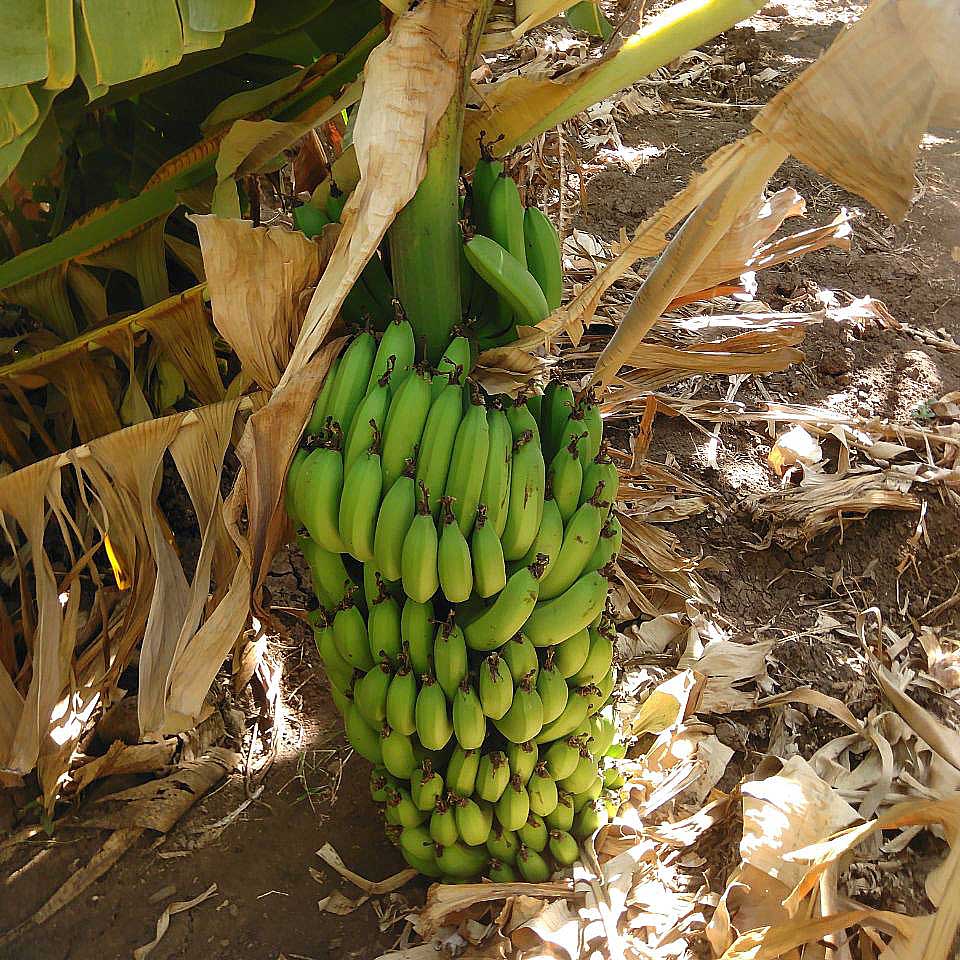
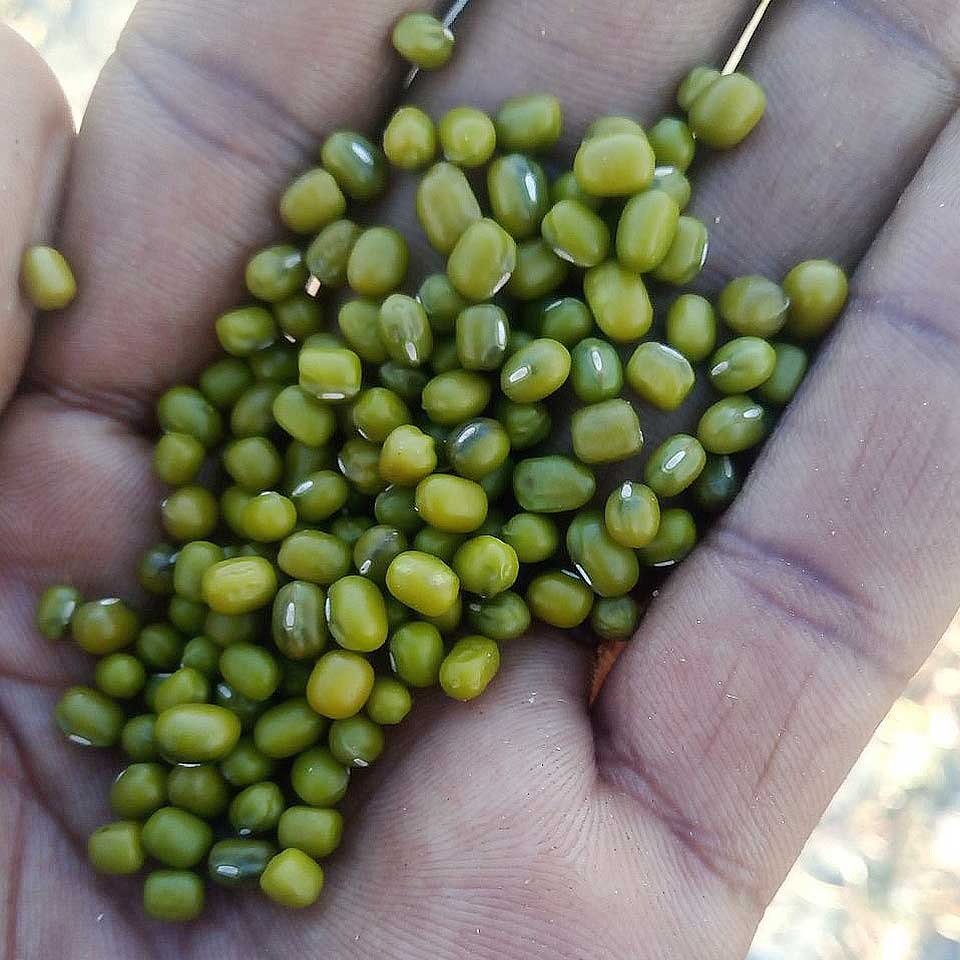
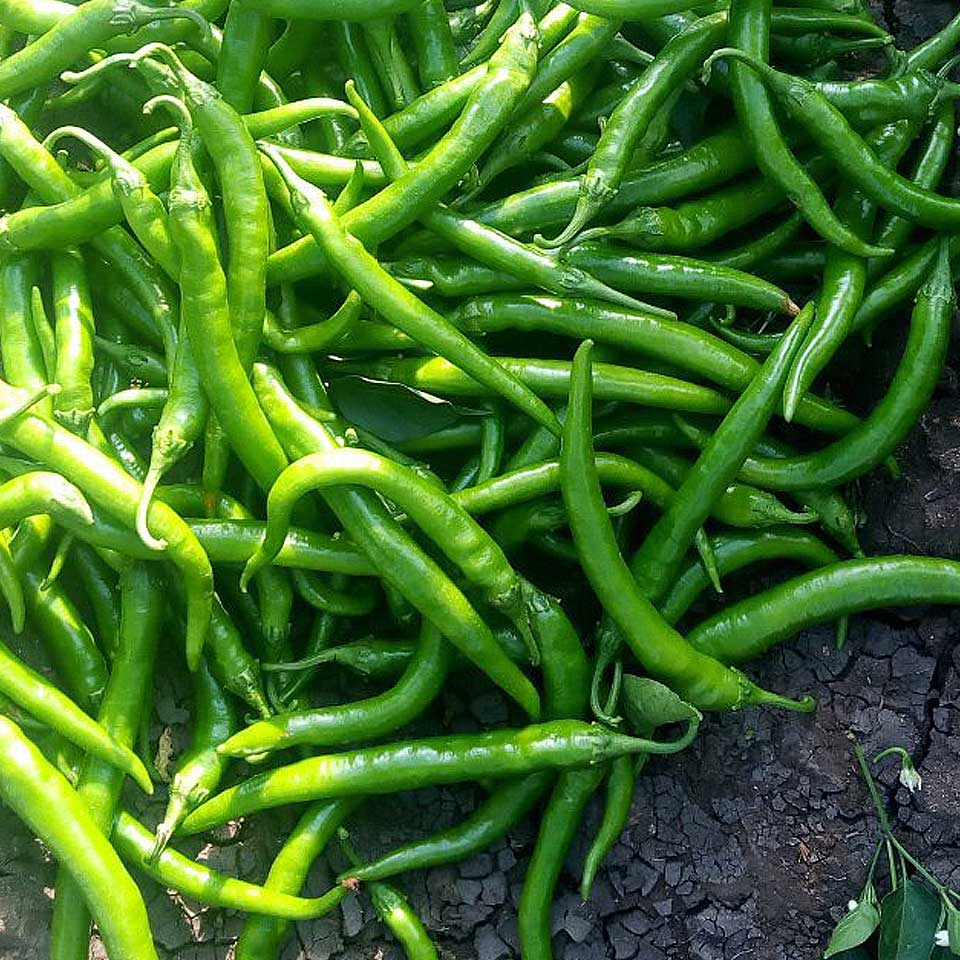
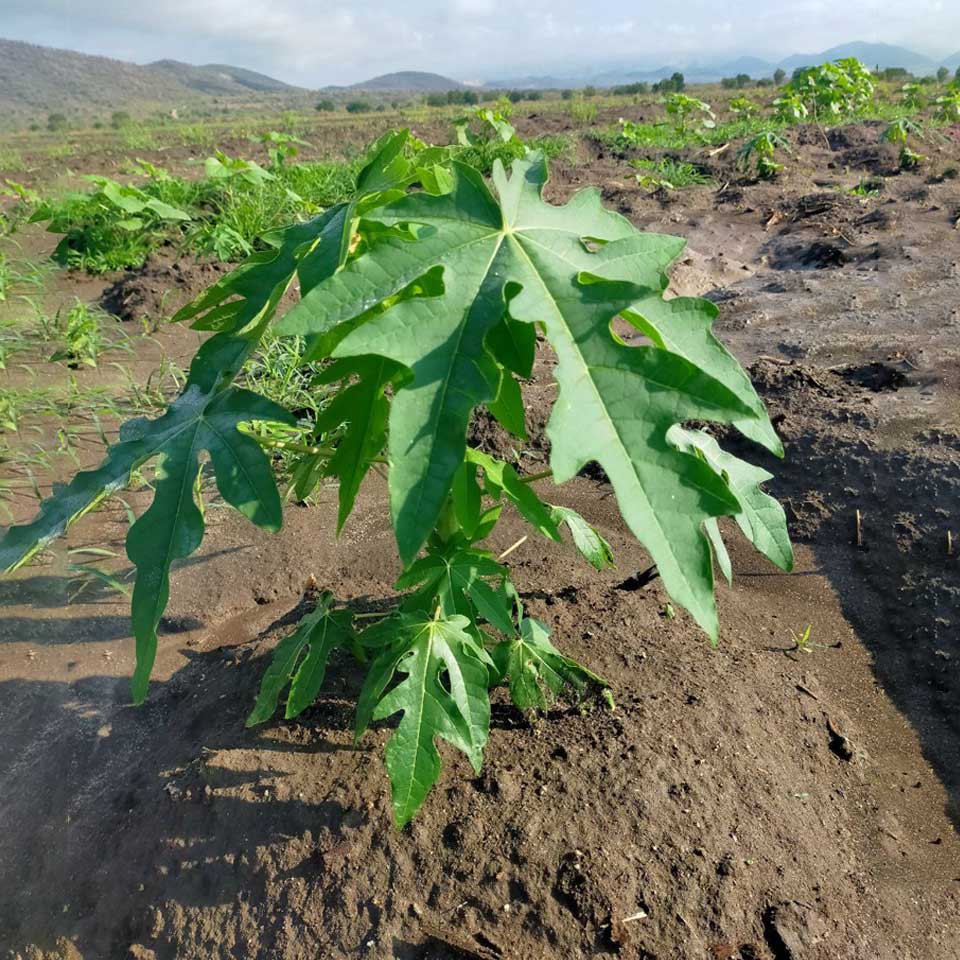
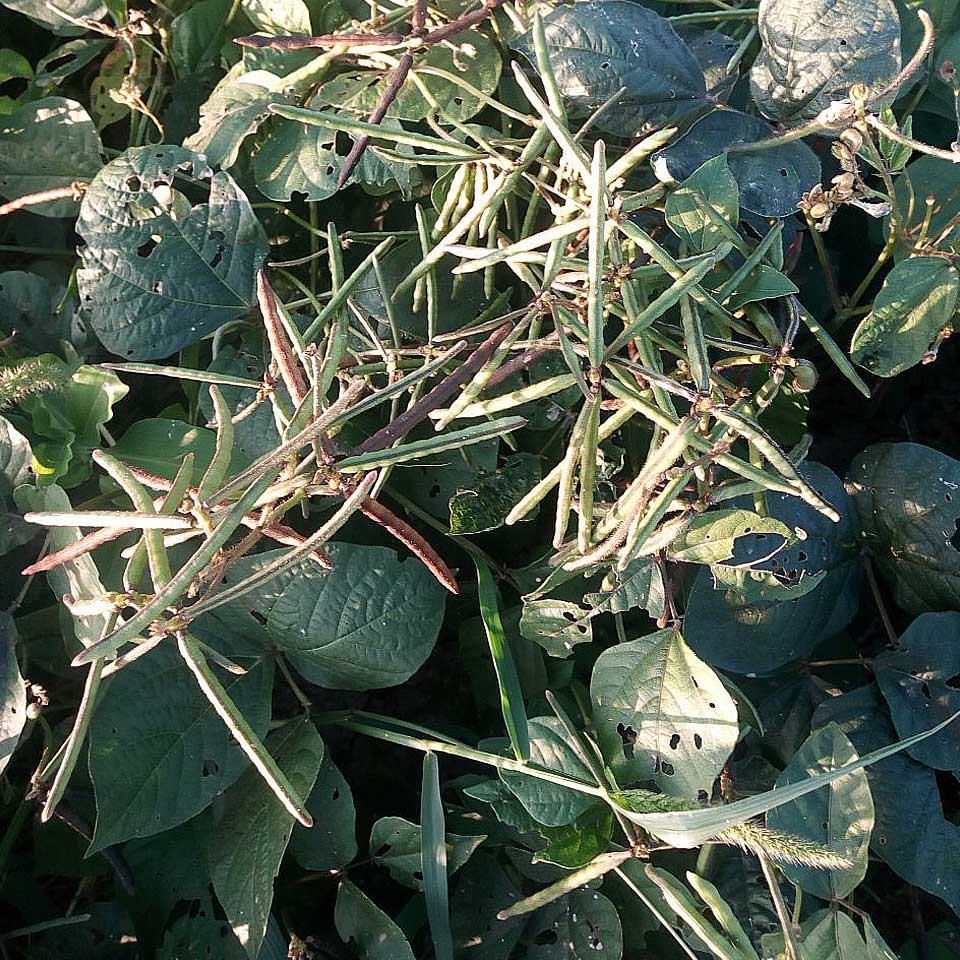
We cultivate and harvest the finest yields of the virgin lands in southern Ethiopia. Our mechanized farmlands produce fruits, vegetables, spices, and legumes.
We Have One Goal
To ProvideThe Highest Quality
Organic Products and Services.
Farmers in Ethiopia play a crucial role in the country’s economy and food security. Agriculture employs a significant portion of the population, with the majority of farmers practicing small-scale subsistence farming. They cultivate various crops such as coffee, teff, maize, barley, wheat, pulses, and oilseeds. Ethiopian farmers face several challenges, including unpredictable weather patterns, limited access to modern farming technologies and techniques, inadequate infrastructure, and market constraints. Despite these challenges, agriculture continues to be the mainstay of the Ethiopian economy, contributing a substantial portion to the country’s GDP. To address the needs of Ethiopian farmers, various initiatives have been undertaken, such as promoting sustainable agricultural practices, improving access to credit and finance, enhancing irrigation systems, and providing training and technical assistance. The government and non-governmental organizations are working together to support farmers and enhance agricultural productivity in Ethiopia.

The incorporation of modern farming practices in Ethiopia contributes to increased agricultural productivity, food security, resource efficiency, income generation, and a sustainable agricultural sector. We ventured in to this sector with ambition to have increased yield with modern and mechanized farming practice.
Main Strategies
1. Increased productivity: Modern farming techniques, such as the use of advanced machinery, improved irrigation systems, and precision farming methods, help increase agricultural productivity. This leads to higher crop yields and improved food security.
2. Diversification of crops: Modern farming practices encourage the cultivation of a wide variety of crops. This helps in diversifying the agricultural sector and reducing dependence on traditional crops, thus promoting a more sustainable and resilient agricultural system.
3. Efficient resource utilization: Advanced farming technologies optimize the use of resources like water, fertilizers, and energy. Precision irrigation techniques reduce water wastage, while precise application of fertilizers minimizes nutrient runoff and pollution. This leads to more efficient resource utilization and environmental sustainability.
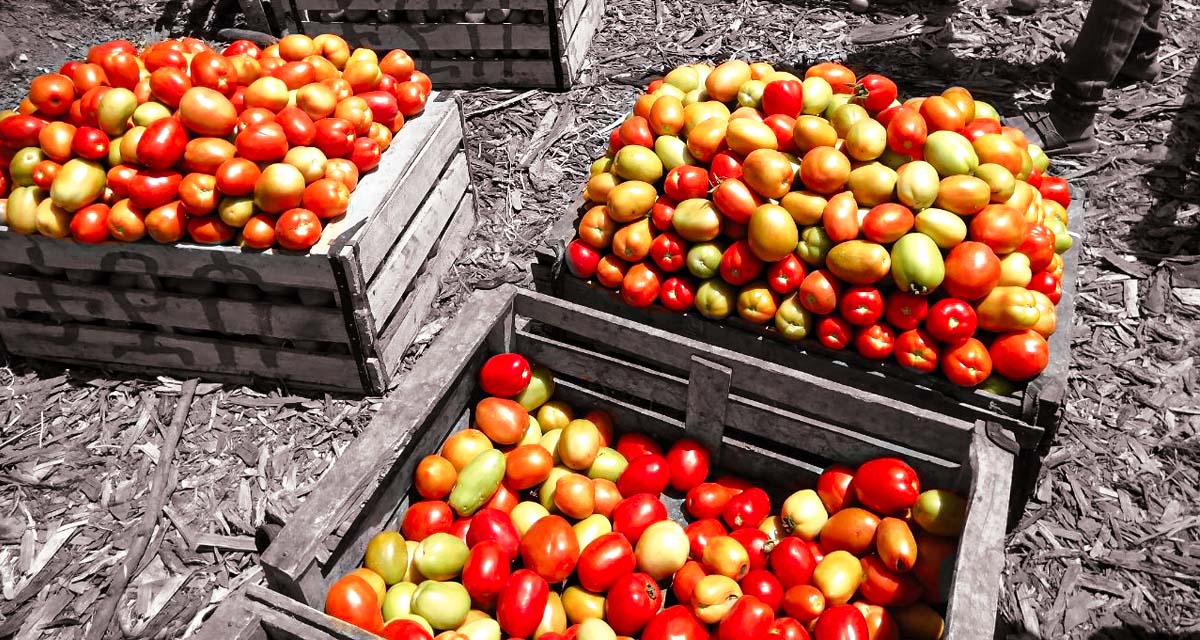

Grown With Love on Our Farms
We have been supplying the market for decades. My father and my great-grandfather was a farmer, my children are taking after me. We want to increase our yield with the support and assistance we have from the people at FE. They have inspired us to produce surplus and beyond our daily needs. We have a better understanding of how much the nation is in need of surplus supply, we are growing our annual yield for better supply and better income for our family.

Belaynesh Debebe
Local Farmer
Straight Out of the farm